Post-Move: Creating a Fresh Home When the Boxes Are Cleared Out
Moving to a new home can be a thrilling journey and a significant hurdle. The whirlwind of packing, organizing, and planning can often leave you feeling overwhelmed. But, what happens after the last box is unpacked? Creating a feeling of belonging in a new environment takes time and deliberate consideration. It’s about more than just arranging furniture—it's about forming bonds, establishing routines, and finding joy in your fresh environment.
In this article, we will discuss practical tips and helpful advice for turning your new house into a home after the boxes are gone. From mastering the art of packing to navigating the practicalities of moving, we have you assisted. Dive into our ultimate moving checklist and learn how to move efficiently, tackle the challenges of relocation, and address the often-overlooked expenses. Let's take this journey together, ensuring your transition is seamless and creates cherished moments in your new abode.
Crucial Relocation Preparation
Relocating is a monumental task that necessitates thorough planning and deliberate execution. To guarantee a smooth transition, begin the process at least 8 weeks before moving day. This timeframe allows you to create a comprehensive moving checklist that includes essential tasks such as organizing your items, notifying utility companies, and arranging for moving services. Commence by sorting your home, using the “Keep, Toss, Donate” method to declutter. By minimizing the volume of items to pack, you’ll make the complete process more manageable.
After your belongings are sorted, concentrate on the packing stage. Packing a kitchen and not breaking a any dish is a common concern, so gather supplies such as bubble wrap and sturdy boxes. Consider creating a “First Night” essentials box that includes items you'll need immediately upon arrival at your new home. This approach will reduce stress and ensure you can unwind following a long moving day without rummaging through multiple boxes.
An additional key aspect of planning is transferring your utilities. Make a detailed guide to ensure that all services, such as electricity, water, and internet, are set up for your new home. Confirm the dates for disconnection and reconnection to avoid unforeseen disruptions. Additionally, estimating moving costs, including both binding and non-binding quotes, will help maintain your budget and prevent hidden moving costs. Preparing ahead will set the tone for a successful and more stressful moving process.
Preparation and Transportation Tips
Regarding packing, organization is key. Begin by utilizing the “Sort and Simplify” method to declutter your belongings before you even think about packing. This will help you concentrate only on the necessary items and make your move more manageable. For different types of belongings, consider using marked containers to simplify the unpacking process. In addition, adopting efficient packing techniques can optimize your box usage, enabling you to fit more into each container while maintaining the protection of your belongings.
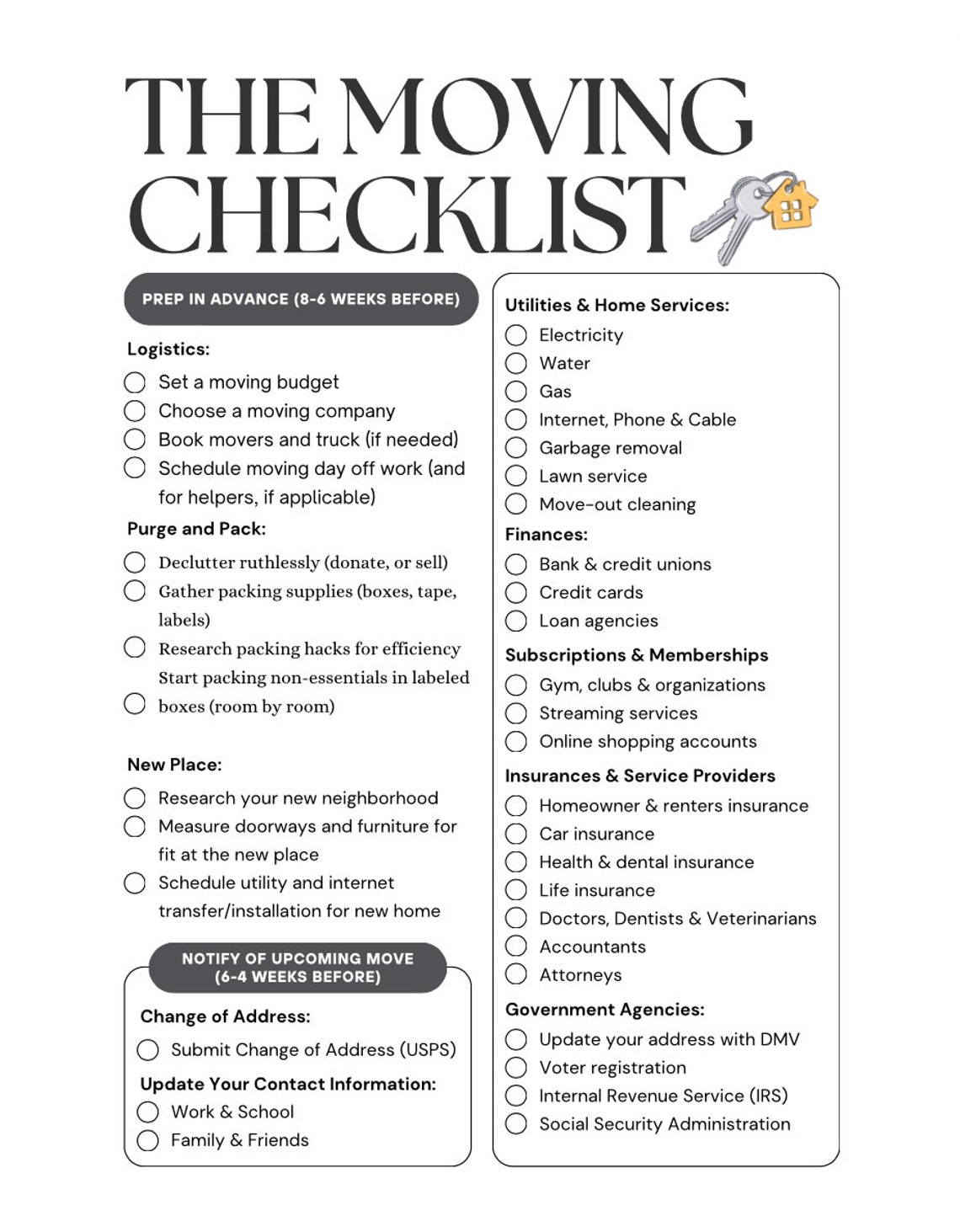
Another crucial aspect of packing is how you pack your delicate belongings. For kitchens, learn how to pack a kitchen without breaking a single dish by carefully wrapping each item and using dividers for your plates and bowls. When it comes to larger electronics, ensure that you understand how to safely pack and move these items to avoid any damage while in transit. This also applies to large appliances, which should be properly readied for transport to prevent any problems in your new home.
Lastly, transportation should not be overlooked. If you are hiring professional movers, it's beneficial to inquire essential questions before hiring to ensure you're getting a reputable service. Consider moving quotes as well; comprehending the difference between contractual and non-contractual quotes can prevent unexpected costs later. If you decide to do a DIY move, ensure that you have all the necessary equipment for loading and unloading bulky belongings safely.
Settling With Your New Home
As the boxes are finally emptied, the real adventure of changing your residence into a living space begins. Start by organizing your pieces in a way that feels inviting and practical. Think about how you and your loved ones interact with each space to create a friendly atmosphere. Adding personal touches, such as photos, paintings, and cherished items, can introduce warmth to your new environment. Dedicate your effort to explore various arrangements and establish what works optimally for you.
Once your items is in place, pay attention on organizing your belongings in a way that minimizes clutter. Employ storage options that fit your environment, whether it's through shelves, bins, or multifunctional furniture. As you open, continue to apply the “Hold, Discard, Pass on” method to ensure that you are surrounded only by items that enhance your life. This will not only assist keep your new home organized but also create a sense of calm as you establish yourself into your recent space.
Don't forget to create a supportive environment for all, including your pets. Making see this website to accommodate their needs can ease their transition. Set up designated areas for them and familiarize them slowly to various rooms. Finally, start building bonds in your fresh neighborhood by exploring community parks, shops, or social hubs. Engaging with your locale will help strengthen your sense of belonging, making your new house a true home.